
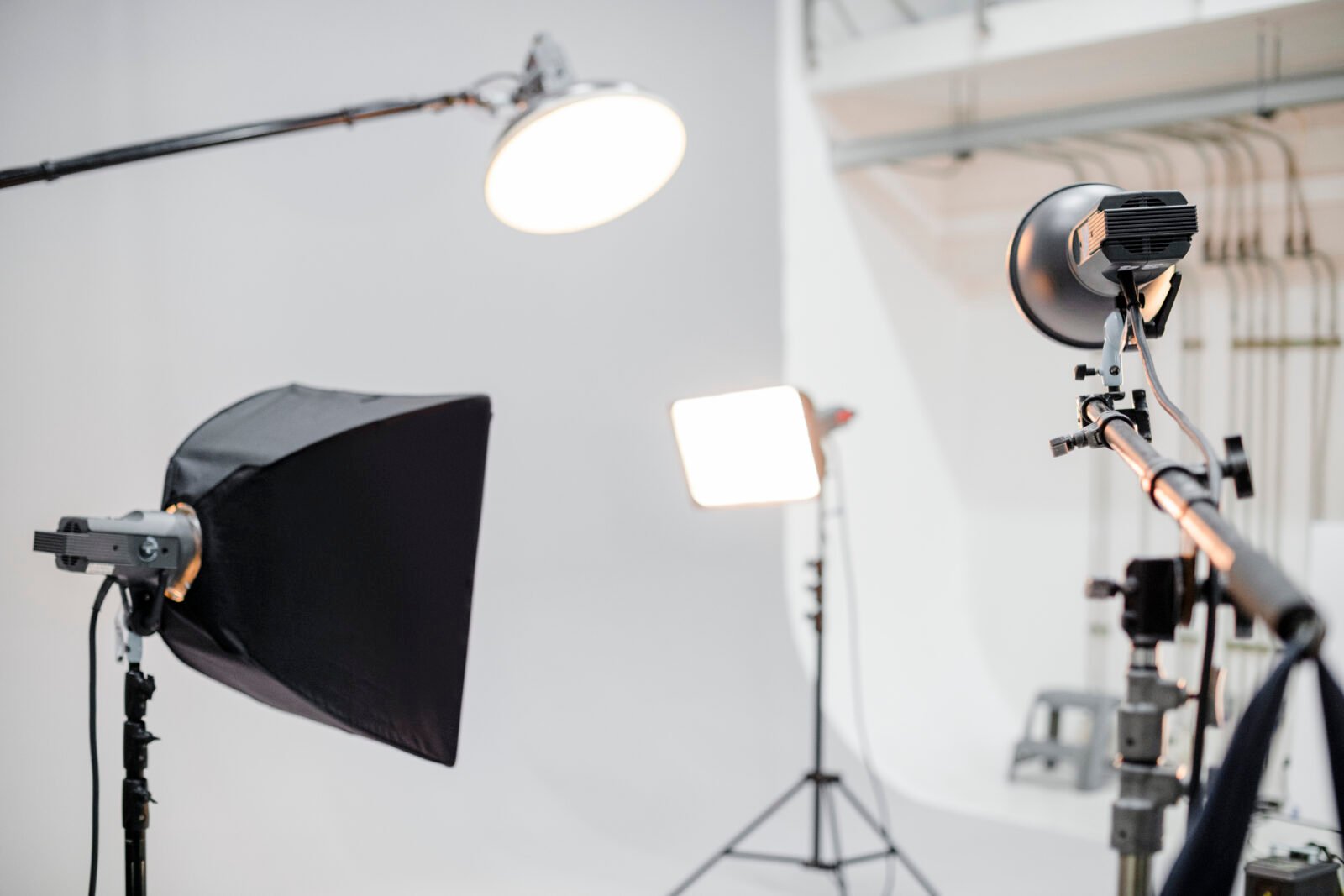
Lighting is one of the most powerful tools in photography and videography. Even the best camera cannot produce professional results without proper lighting. In 2026, lighting equipment has evolved significantly, offering portable designs, smart controls, and powerful output for creators of all levels.
Whether you are shooting portraits, YouTube videos, product photography, or cinematic films, understanding lighting equipment can completely transform your visual quality. This guide explores the types of lighting gear, popular brands, and tips for choosing the right setup.
Why Lighting Equipment Is Important
Lighting controls mood, color, and clarity in every photo or video. Good lighting can make simple scenes look professional, while poor lighting can ruin even high-end footage.
Here’s why lighting equipment matters:
Better Image Quality: Proper lighting reduces noise and improves sharpness.
Creative Control: You can shape shadows, highlights, and color tones.
Professional Look: Controlled lighting gives your work a polished appearance.
Consistency: Artificial lighting helps maintain stable results in different environments.
For photographers and videographers, lighting is often more important than upgrading to a new camera.
Types of Lighting Equipment in 2026
There are many types of lighting tools available today, each designed for specific shooting styles.
LED Panel Lights
LED panels are among the most popular lighting solutions because they are lightweight, energy-efficient, and adjustable. Many modern LED panels allow you to change brightness and color temperature, making them ideal for YouTubers and interview setups.
Best for:
- Video creators
- Portrait photography
- Indoor content creation
Softboxes
Softboxes diffuse light to create soft shadows and even illumination. They are widely used in studio photography, especially for portraits and product shoots.
Softboxes help eliminate harsh shadows, making skin tones look natural and smooth.
Ring Lights
Ring lights became extremely popular with social media creators. They provide even lighting around the subject and reduce shadows on the face.
Best for:
- Beauty photography
- Streaming
- Close-up videos and tutorials
Speedlights (External Flash)
Speedlights are compact flash units mounted on cameras or used off-camera. They provide powerful bursts of light, perfect for events, weddings, and low-light photography.
Continuous Studio Lights
Continuous lighting allows photographers and videographers to see the lighting effect in real time. These lights are commonly used in filmmaking, product photography, and livestreaming.
RGB Lights
RGB lighting is trending in 2026, especially for creative video backgrounds. These lights allow users to add colorful effects and cinematic moods to scenes.
Popular Lighting Equipment Brands
Several brands dominate the lighting industry with reliable and innovative products.
Godox
Godox is known for affordable yet professional lighting solutions. Their LED panels, flashes, and softboxes are widely used by photographers worldwide.
Aputure
Aputure creates high-quality cinematic lights used in filmmaking and professional video production. Their lights offer advanced color accuracy and wireless control features.
Neewer
Neewer provides budget-friendly lighting kits ideal for beginners and content creators starting their photography journey.
Elgato
Elgato lighting products are popular among streamers and YouTubers. Their compact lights are easy to set up and perfect for desk-based content creation.
Nanlite
Nanlite produces powerful LED lights designed for professional video creators who need strong output and flexibility.
How to Choose the Right Lighting Equipment
Choosing lighting gear depends on your content style and shooting environment.
For YouTubers & Creators: LED panels or ring lights offer simple setups and consistent results.
For Studio Photographers: Softboxes and continuous lights provide professional control.
For Event Photographers: Speedlights are portable and powerful.
For Cinematic Video: High-output LED or RGB lights create dramatic effects.
Also consider factors like portability, power source (battery or AC), and color temperature range when buying lighting equipment.
Basic Lighting Setup Tips for Beginners
If you are new to lighting, start with a simple setup:
Key Light: The main light source placed in front of the subject.
Fill Light: Reduces shadows created by the key light.
Back Light: Adds depth and separates the subject from the background.
Even a basic two-light setup can dramatically improve video and photography results.
Lighting Mistakes to Avoid
Many beginners make common lighting mistakes that reduce image quality.
- Using light that is too harsh without diffusion.
- Mixing different color temperatures, causing strange color tones.
- Placing lights directly above the subject, creating unwanted shadows.
- Ignoring natural light when shooting indoors.
Learning to balance natural and artificial lighting is a key skill for photographers and videographers.
Lighting Equipment for Photography vs Videography
Photography lighting often focuses on flash power and precision, while videography lighting requires continuous light for consistent exposure.
For example:
- Wedding photographers rely heavily on speedlights.
- YouTubers prefer LED panels with adjustable brightness.
- Filmmakers use high-output studio lights for cinematic scenes.
Understanding these differences helps you invest in equipment that matches your creative goals.
FAQs About Lighting Equipment
1. What lighting is best for beginner photographers?
LED panels and softbox kits are great starting points because they are easy to use and affordable.
2. Are ring lights good for professional photography?
Ring lights work well for beauty and close-up content but may not be ideal for all professional setups.
3. Do I need expensive lighting equipment?
Not necessarily. Many budget brands like Neewer and Godox offer excellent performance for beginners.
4. What color temperature should I use?
Most creators use 5600K for daylight-balanced lighting, which looks natural in photos and videos.
5. Can I use natural light instead of studio lights?
Yes, natural light works well, but artificial lighting provides more control and consistency.
Final Thoughts
Lighting equipment is one of the smartest investments photographers and videographers can make in 2026. With modern LED technology, creators now have access to portable, powerful, and affordable lighting solutions that elevate content quality.
Whether you are building a home studio, shooting cinematic videos, or capturing portraits, the right lighting setup will help you achieve professional results. By understanding different lighting types, choosing trusted brands, and learning basic setups, you can transform your photography and videography workflow and create visually stunning content.