
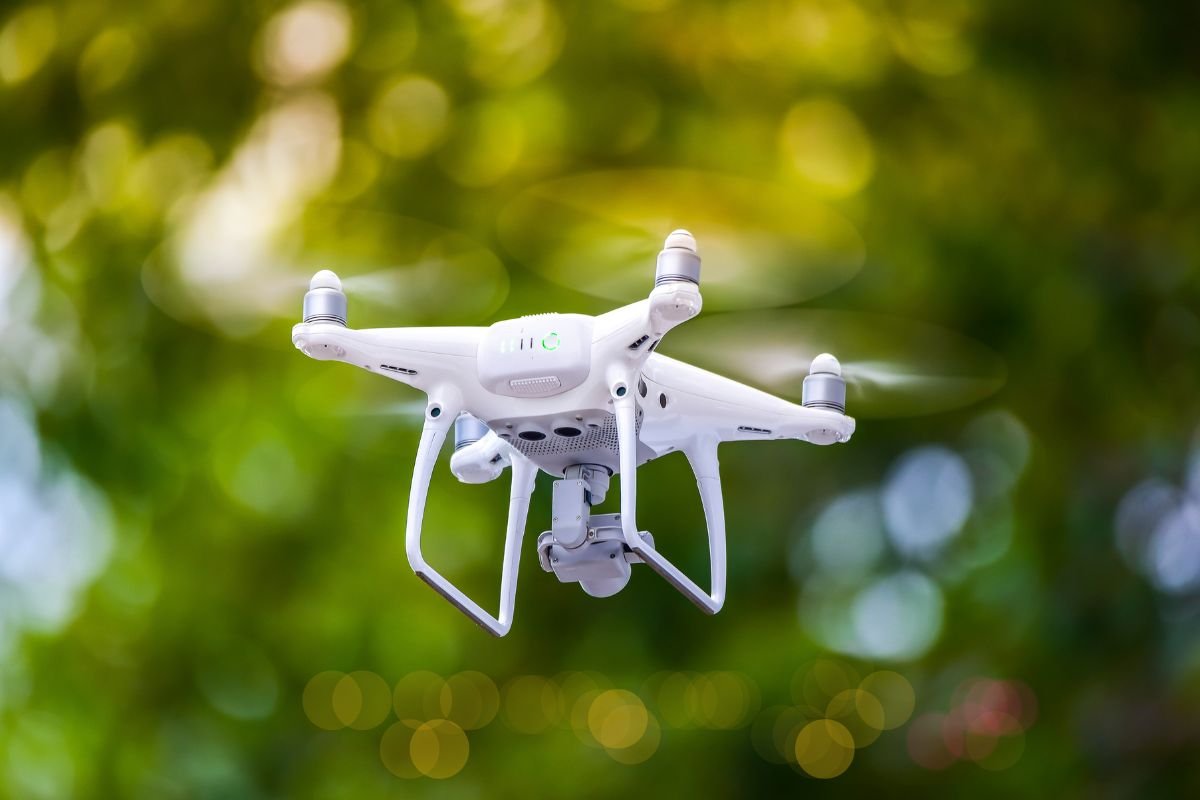
Drones have become essential tools for photographers, videographers, and content creators. From cinematic travel shots to real estate videos, aerial photography is more popular than ever in 2026. However, with growing drone usage comes stricter regulations designed to protect people, property, and airspace safety.
Understanding drone regulations is not just about avoiding penalties — it also helps you fly responsibly and build a professional reputation as a drone creator. Whether you are a beginner pilot or an experienced filmmaker, knowing the latest drone rules is essential before every flight.
Why Drone Regulations Exist
Drone laws are designed to keep skies safe for everyone. Since drones share airspace with airplanes and helicopters, governments worldwide have introduced guidelines to prevent accidents and privacy violations.
Here are the main reasons drone regulations exist:
- Prevent collisions with aircraft
- Protect public safety
- Maintain privacy standards
- Reduce risks in crowded or restricted areas
- Promote responsible drone usage
Following these rules helps creators continue using drones without unnecessary restrictions in the future.
Basic Drone Rules Most Countries Share
Although regulations vary by country, many drone safety guidelines are similar worldwide.
Maintain Visual Line of Sight
Pilots must keep their drone within sight at all times. Flying beyond visual range can increase crash risks and make it harder to control the drone safely.
Respect Height Limits
Most aviation authorities set a maximum flight altitude, commonly around 120 meters (400 feet). Staying within this limit reduces interference with aircraft.
Avoid Restricted Areas
Drones are usually prohibited near airports, military zones, government buildings, and crowded public events. Always check local airspace maps before flying.
No Flying Over Crowds
Flying directly over people can be dangerous if the drone malfunctions. Many regulations require pilots to maintain a safe distance from crowds.
Daylight Flying Rules
In many regions, beginners are allowed to fly only during daylight hours unless they have special permissions or lighting equipment.
Drone Registration and Licensing
In 2026, many countries require drones above a certain weight to be registered with aviation authorities. Registration helps authorities identify drone owners if safety issues arise.
Some regions also require pilots to complete an online test or obtain a drone license, especially for commercial work like photography services or videography projects.
Before flying, check:
- Whether your drone needs registration
- If a pilot certificate is required
- Local airspace rules and no-fly zones
Understanding these requirements helps you avoid fines and legal complications.
Drone Regulations for Photographers & Videographers
Creators using drones for content creation often need to follow additional guidelines compared to recreational users.
Commercial Drone Usage
If you earn money through drone photography or videography, you may need a commercial drone permit depending on local regulations.
Privacy Laws
Respecting privacy is a major part of drone flying. Avoid filming private property without permission, and always inform people when filming in public areas.
Insurance Considerations
Many professional drone pilots choose liability insurance to protect against accidents or damage during commercial shoots.
Common Drone Safety Features That Help Follow Regulations
Modern drones include built-in technology that helps pilots follow legal rules automatically.
Geofencing: Prevents drones from entering restricted airspace.
Return-to-Home: Automatically brings the drone back if the signal is lost.
Obstacle Avoidance: Reduces the risk of crashes.
Altitude Limits: Helps maintain legal flight height.
These features make beginner drones safer and easier to operate within legal boundaries.
Drone Regulations in India (General Overview)
Since drone laws vary by country, pilots should always check official aviation authority websites. In India, drone usage is regulated through digital platforms that classify drones based on weight categories.
Some general guidelines include:
- Registering eligible drones before flying
- Avoiding restricted airspace and airports
- Following height limits
- Obtaining permission for commercial operations
Drone pilots in India should regularly review updates because regulations can change as technology evolves.
Tips for Flying Legally and Safely
Here are some practical tips to stay compliant with drone regulations in 2026:
- Always check local airspace maps before takeoff.
- Update your drone firmware to ensure geofencing accuracy.
- Carry registration details when flying commercially.
- Respect wildlife areas and nature reserves.
- Avoid flying in strong winds or poor weather conditions.
Responsible flying not only keeps you safe but also builds trust with clients and the public.
Common Mistakes Drone Pilots Make
Many beginners accidentally break regulations due to lack of awareness.
- Flying near airports without checking maps
- Recording videos over crowded events
- Ignoring local permissions for commercial shoots
- Flying at night without proper lighting
- Posting drone footage that violates privacy rules
Learning regulations early helps avoid these issues and ensures smooth content creation.
Future of Drone Regulations
As drone technology improves, regulations are expected to evolve as well. Many countries are developing advanced traffic management systems for drones, allowing safer integration into everyday airspace.
We may also see:
- Automated flight approvals through mobile apps
- More structured licensing systems
- Advanced AI-based airspace monitoring
For photographers and videographers, staying updated with new rules will be an important part of professional drone operation.
FAQs About Drone Regulations
1. Do I need permission to fly a drone in 2026?
It depends on your location and drone weight. Some regions allow recreational flying without permits, while commercial use may require approval.
2. Can I fly my drone anywhere?
No. Restricted areas like airports, military zones, and crowded public events are usually off-limits.
3. Do beginner drones follow regulations automatically?
Many modern drones include safety features like geofencing and altitude limits, but pilots are still responsible for following laws.
4. Is drone registration mandatory?
In many countries, drones above certain weight limits must be registered before flying.
5. What happens if I break drone regulations?
Penalties may include fines, confiscation of equipment, or legal action depending on the violation.
Final Thoughts
Drone regulations in 2026 are designed to balance creativity with safety. For photographers and videographers, understanding these rules is essential for responsible flying and professional growth. By learning local regulations, respecting privacy, and using modern safety features, drone pilots can continue capturing stunning aerial visuals while staying compliant with the law.W
Whether you are a beginner exploring aerial photography or a professional creating cinematic content, flying legally ensures a safer and more enjoyable drone experience.