
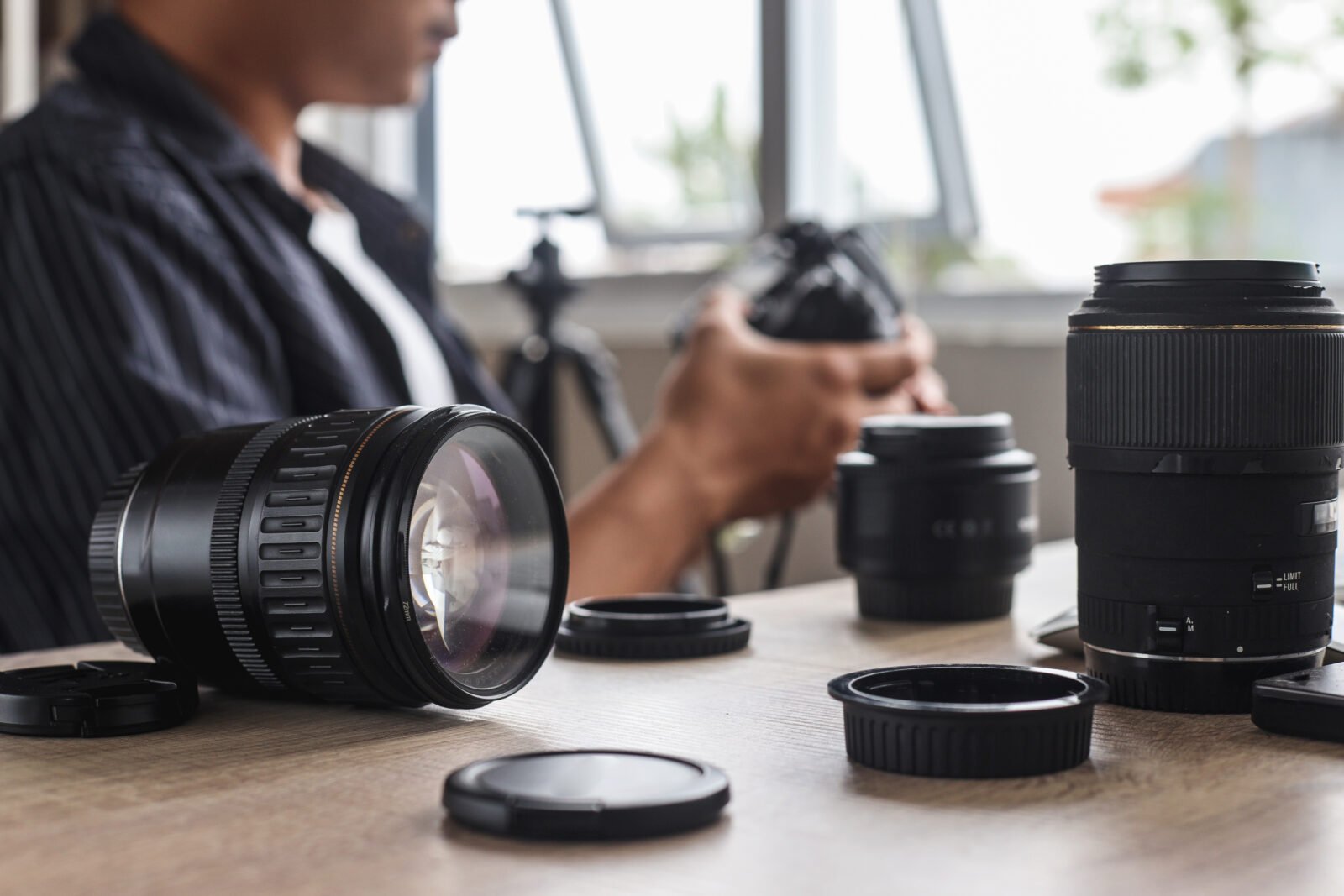
A camera body captures the image, but the lens shapes the story. In photography and videography, lenses play a crucial role in determining image quality, perspective, and creative style. In 2026, modern lenses offer faster autofocus, sharper optics, and advanced stabilization, giving creators more control than ever before.
Whether you are a beginner or a professional photographer, understanding camera lenses is essential for improving your photography skills.
Why Camera Lenses Are So Important
Many beginners focus only on buying an expensive camera, but experienced photographers know that lenses have a bigger impact on image quality.
Here’s why lenses matter:
Image Sharpness: High-quality lenses produce clearer and more detailed images.
Creative Control: Different lenses create unique perspectives and depth of field.
Low-Light Performance: Wide aperture lenses allow more light into the camera.
Versatility: Switching lenses helps you shoot landscapes, portraits, wildlife, or videos with ease.
Investing in the right lens can completely transform your photography.
Types of Camera Lenses in 2026
There are many types of lenses designed for different shooting styles.
Prime Lenses
Prime lenses have a fixed focal length, such as 35mm or 50mm. They are known for sharp image quality and wide apertures.
Best for:
- Portrait photography
- Low-light shooting
- Street photography
Popular examples include 50mm f/1.8 lenses, often called “nifty fifty” lenses because of their affordability and performance.
Zoom Lenses
Zoom lenses allow you to change focal length without moving physically closer or farther from your subject.
Best for:
- Travel photography
- Events and weddings
- Wildlife shooting
Common zoom ranges include 24–70mm and 70–200mm lenses.
Wide-Angle Lenses
Wide-angle lenses capture more of the scene, making them ideal for landscapes and architecture.
Best for:
- Travel photography
- Real estate
- Vlogging
These lenses create dramatic perspectives and are popular among content creators.
Telephoto Lenses
Telephoto lenses allow photographers to capture distant subjects, making them perfect for wildlife and sports photography.
Best for:
- Bird photography
- Sports events
- Nature photography
Macro Lenses
Macro lenses are designed for extreme close-up photography, allowing you to capture tiny details like insects, flowers, and textures.
Best for:
- Product photography
- Nature photography
- Creative close-up shots
Cine Lenses
Cine lenses are designed specifically for video production. They offer smooth focus rings and consistent exposure, making them popular among filmmakers.
Popular Camera Lens Brands
Several brands dominate the lens market in 2026.
Canon RF & EF Lenses
Canon lenses are widely used for both DSLR and mirrorless cameras. They offer excellent color reproduction and reliable autofocus.
Nikon Nikkor Lenses
Nikon lenses are known for sharp optics and strong build quality, making them popular among professional photographers.
Sony G Master Lenses
Sony’s premium G Master series delivers exceptional sharpness and is highly favored by videographers and hybrid creators.
Sigma Art Series
Sigma lenses provide high-end performance at competitive prices. Many photographers consider them excellent alternatives to brand-name lenses.
Tamron Lenses
Tamron produces lightweight and affordable lenses with impressive performance, especially for travel photographers.
Understanding Aperture and Focal Length
Two important factors when choosing a lens are aperture and focal length.
Aperture (f/1.8, f/2.8, etc.):
A lower f-number means a wider aperture, allowing more light and creating a blurred background effect.
Focal Length (mm):
- 16–35mm: Wide-angle for landscapes
- 35–50mm: Natural perspective for everyday photography
- 85mm: Ideal for portraits
- 70–200mm+: Telephoto for distant subjects
Learning these basics helps you choose lenses that match your shooting style.
How to Choose the Right Camera Lens
When buying a lens, consider these factors:
✔ Photography Style: Portrait, wildlife, travel, or video?
✔ Budget: Some third-party lenses offer excellent value.
✔ Weight & Size: Travel photographers often prefer lightweight lenses.
✔ Stabilization: Helpful for handheld shooting.
✔ Compatibility: Always check lens mount compatibility with your camera.
Many beginners start with a versatile zoom lens and later add prime lenses for creative shots.
Lens Accessories Every Photographer Should Consider
To get the best performance from your lenses, consider these accessories:
- UV filters for protection
- ND filters for video and long exposure photography
- Lens hoods to reduce glare
- Cleaning kits to maintain lens clarity
Proper maintenance extends the life of your lenses and keeps images sharp.
Common Mistakes When Buying Camera Lenses
Avoid these common beginner mistakes:
- Buying lenses without checking camera compatibility.
- Choosing only high zoom ranges without considering image quality.
- Ignoring aperture values when shooting in low light.
- Purchasing too many lenses too quickly without understanding your needs.
Building a lens collection gradually is often the smartest approach.
FAQs About Camera Lenses
1. Which lens is best for beginners?
A 50mm prime lens or a 24–70mm zoom lens is a great starting point for most photographers.
2. Are expensive lenses worth it?
Higher-end lenses often offer better sharpness, faster autofocus, and stronger build quality, making them a good long-term investment.
3. What lens is best for portraits?
An 85mm prime lens is popular for portraits because it creates flattering background blur.
4. Do lenses affect video quality?
Yes. Lenses influence sharpness, depth of field, and cinematic look in videos.
5. Should I buy prime or zoom lenses first?
Zoom lenses offer versatility, while prime lenses provide better low-light performance and image quality.
Final Thoughts
Camera lenses are one of the most important investments for photographers and videographers in 2026. While camera bodies continue to evolve, a high-quality lens can last for many years and significantly improve image quality.
Whether you are shooting portraits, landscapes, wildlife, or cinematic video, understanding lens types and choosing the right focal length will help you capture stunning visuals. By investing in trusted brands and learning how lenses shape your photography, you can unlock new creative possibilities and take your work to the next level.