
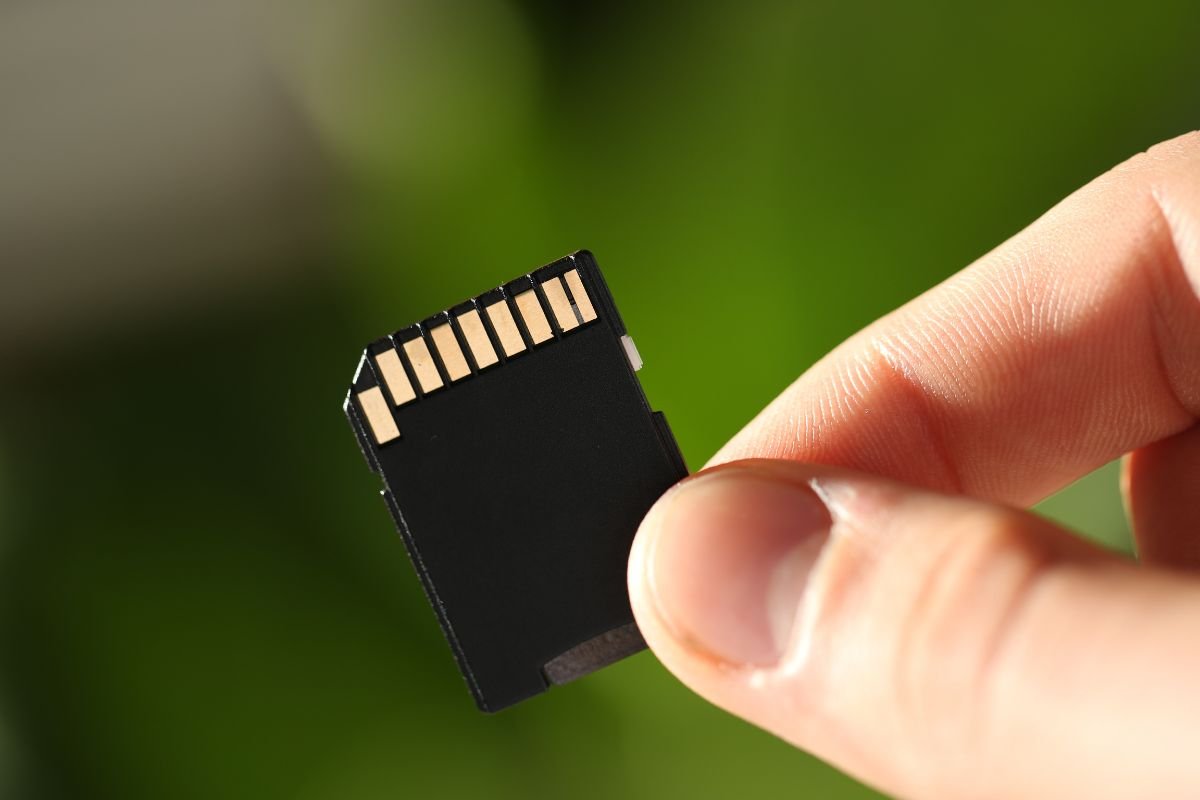
Memory cards are one of the most important accessories in any camera kit. Whether you shoot professional photography, cinematic video, or 360-degree content, your memory card directly affects speed, storage, and reliability. In 2026, cameras are more powerful than ever — recording 8K video, RAW photos, and high-frame-rate footage — which means choosing the right memory card is no longer optional.
This guide explores the best types of memory cards, top brands, and essential tips for photographers and videographers who want fast, secure performance.
Why Memory Cards Matter More Than Ever
Many beginners focus only on cameras and lenses, but storage plays a huge role in performance. A slow or low-quality memory card can cause dropped frames, recording errors, or delayed photo saving.
Here’s why memory cards are essential:
Fast Shooting Performance: High-speed cards allow continuous burst shooting without lag.
Smooth Video Recording: Modern cameras require fast write speeds for 4K and 8K video.
Reliable Data Storage: Quality cards reduce the risk of file corruption or data loss.
Professional Workflow: Faster cards reduce transfer time when moving files to a computer.
Types of Memory Cards Used in Cameras
Different cameras support different formats, so it’s important to know which card type works best for your device.
SD Cards (Secure Digital)
SD cards are the most common memory cards used in DSLRs, mirrorless cameras, and drones. They come in several speed classes, including UHS-I and UHS-II.
Best for:
- Beginner photographers
- Mirrorless camera users
- Content creators shooting 4K video
microSD Cards
MicroSD cards are tiny but powerful. They are commonly used in action cameras, drones, and 360-degree cameras.
Best for:
- Action cameras like Insta360 and GoPro
- Drones and mobile photography
CFexpress Cards
CFexpress cards are designed for professional workflows. They offer extremely fast speeds needed for high-resolution RAW bursts and 8K video recording.
Best for:
- Professional photographers
- High-end cinema cameras
- Sports and wildlife photography
XQD Cards
Though less common now, some professional cameras still use XQD cards for their speed and durability.
Best Memory Card Brands in 2026
Choosing a trusted brand is important because cheaper cards may fail under heavy usage.
SanDisk
SanDisk remains one of the most popular brands among photographers. Their Extreme Pro series offers fast speeds, reliability, and wide compatibility with modern cameras.
Lexar
Lexar provides high-performance memory cards for both beginners and professionals. Many creators prefer Lexar cards for video shooting due to their strong read/write speeds.
Sony
Sony’s Tough series memory cards are built for durability. They are resistant to water, dust, and physical impact, making them ideal for outdoor creators.
Kingston
Kingston offers affordable and reliable memory cards suitable for beginners and casual creators who want good performance without a high price.
Samsung
Samsung microSD cards are widely used in drones, smartphones, and action cameras. They deliver consistent performance for everyday content creation.
Understanding Memory Card Speed Classes
When shopping for memory cards, you’ll often see symbols like V30, V60, or V90. These ratings indicate minimum video recording speeds.
V30: Suitable for 4K video recording.
V60: Designed for professional video creators and higher bitrates.
V90: Ideal for 8K video and advanced filmmaking workflows.
For photographers shooting RAW bursts or sports events, high write speeds ensure faster buffering and smoother performance.
How Much Storage Do Photographers Really Need?
Storage requirements depend on your shooting style.
- 32GB – 64GB: Good for beginners or casual photography.
- 128GB – 256GB: Ideal for travel photography and 4K video.
- 512GB and above: Recommended for professional video production or 8K recording.
Many professionals prefer using multiple smaller cards instead of one large card. This reduces the risk of losing all files if a card fails.
Tips for Choosing the Right Memory Card
Here are some practical tips when buying memory cards in 2026:
✔ Check Camera Compatibility: Always verify the card type supported by your camera.
✔ Choose Trusted Brands: Avoid unknown brands that may risk data loss.
✔ Buy from Reliable Stores: Counterfeit memory cards are common online.
✔ Look for Warranty: Premium cards often include long-term warranties.
✔ Consider Backup Strategy: Carry multiple cards during important shoots.
Memory Card Maintenance Tips
Proper care can extend the life of your memory cards and protect your data.
- Format the card inside your camera instead of a computer.
- Avoid removing the card while recording.
- Use protective cases to prevent dust and damage.
- Backup files regularly to cloud storage or external drives.
Memory Cards for Videographers vs Photographers
Photographers usually prioritize burst speed and storage capacity, while videographers need sustained write speeds for continuous recording.
For example:
- Wedding photographers benefit from fast SD UHS-II cards.
- YouTubers recording 4K video need V30 or higher ratings.
- Filmmakers shooting 8K should consider CFexpress cards for maximum performance.
Choosing the right card based on workflow ensures smoother editing and faster file transfers.
FAQs About Memory Cards
1. Which memory card is best for photography in 2026?
SanDisk Extreme Pro, Sony Tough, and Lexar Professional series are among the most trusted options for photographers.
2. Is a faster memory card always better?
Faster cards improve performance, but you should match the speed with your camera’s capabilities. Not all cameras use high-speed cards fully.
3. How long do memory cards last?
With proper care, high-quality memory cards can last several years, but professionals often replace them regularly to avoid data risks.
4. Can I use microSD cards with an adapter in cameras?
Yes, but performance may vary. For professional shooting, full-size SD cards are usually more reliable.
5. Should I buy one large memory card or multiple smaller ones?
Many professionals prefer multiple smaller cards to reduce data loss risk and improve organization.
Final Thoughts
Memory cards may look small, but they play a huge role in photography and video production. With modern cameras capturing larger files and higher resolutions, investing in fast and reliable storage is essential in 2026.
Whether you’re a beginner learning photography or a professional videographer shooting cinematic footage, choosing the right memory card ensures better performance, safer storage, and a smoother creative workflow. By selecting trusted brands, understanding speed ratings, and maintaining your cards properly, you can focus more on creating and less on worrying about storage.